Dalen Hotel
A fairytale of towers, spires and dragon heads, built in 1894 at the very end of the Telemark Canal.
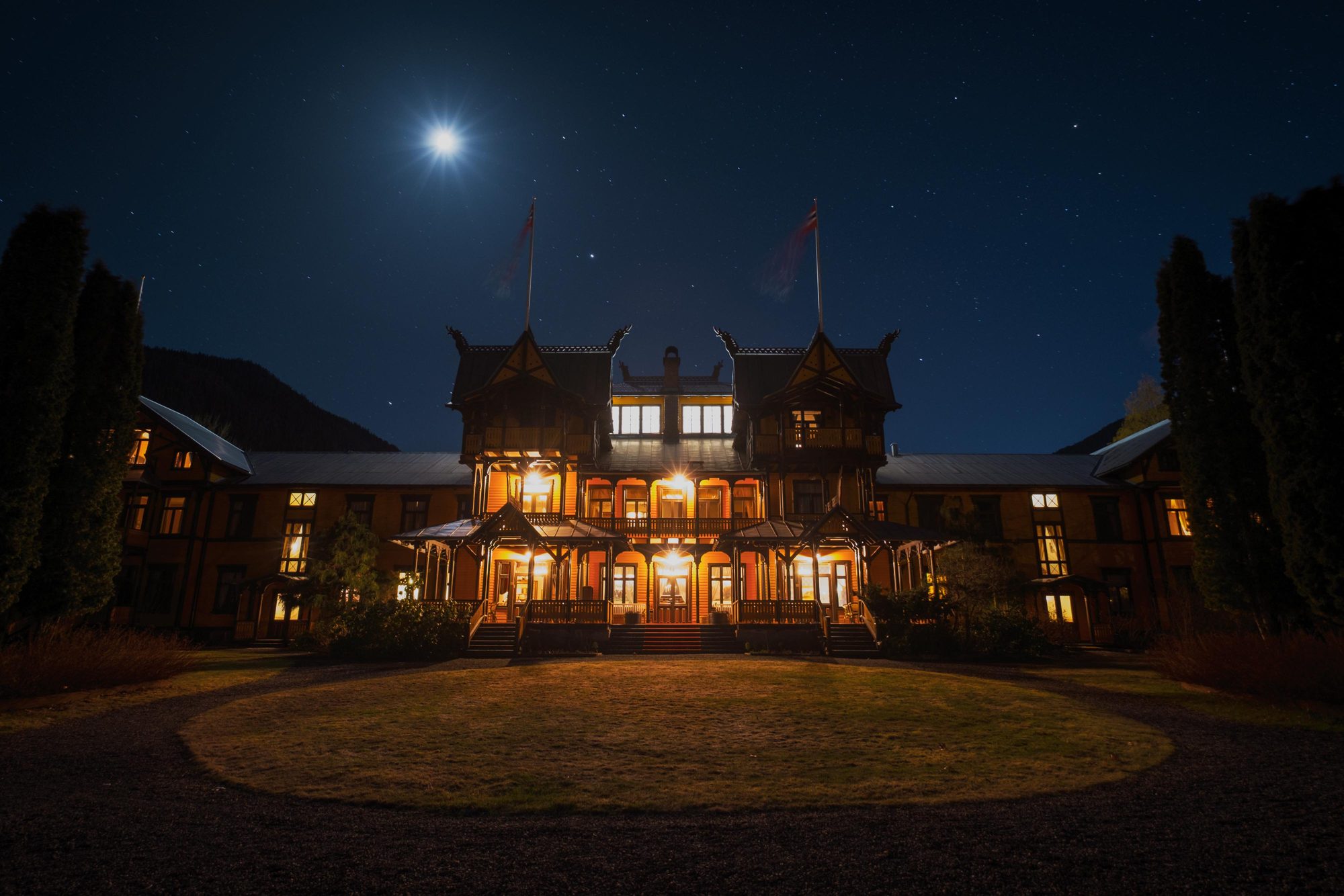
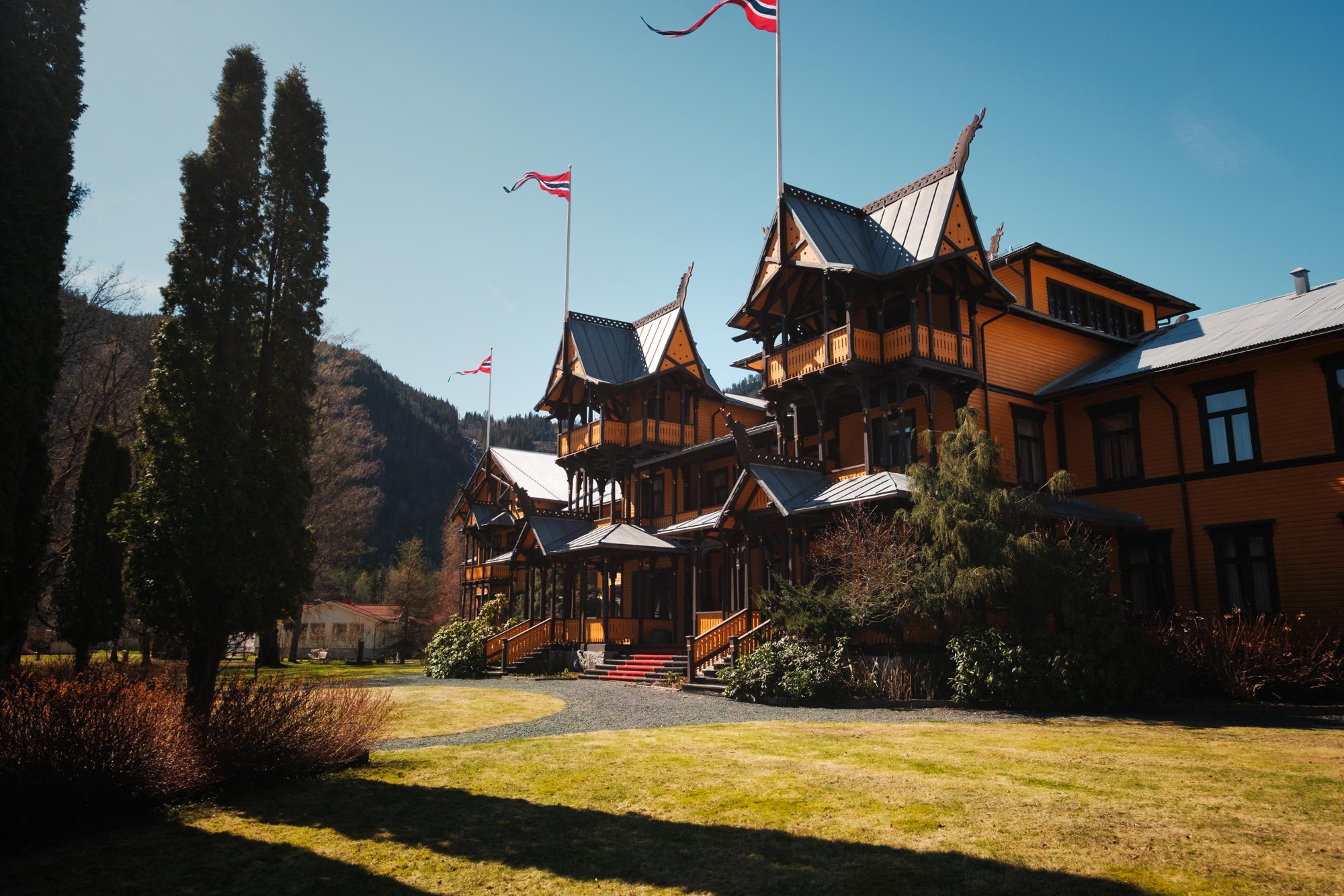
At the far end of the Telemark Canal, where the steamships from the coast finally ran out of water, a hotel rises from the shore of Lake Bandak like something from a Norwegian folk tale. It has towers and spires, carved balconies, and dragon heads curling from its gables. Norwegians call the style dragestil, the dragon style, and there are few finer examples anywhere.
Dalen Hotel opened in 1894, built for the first great age of travel, when the canal had just been completed and tourists, aristocrats and royalty were discovering the fjords and valleys of Norway. More than a century later, it is still receiving guests, and much of what they find has been carefully preserved and restored.
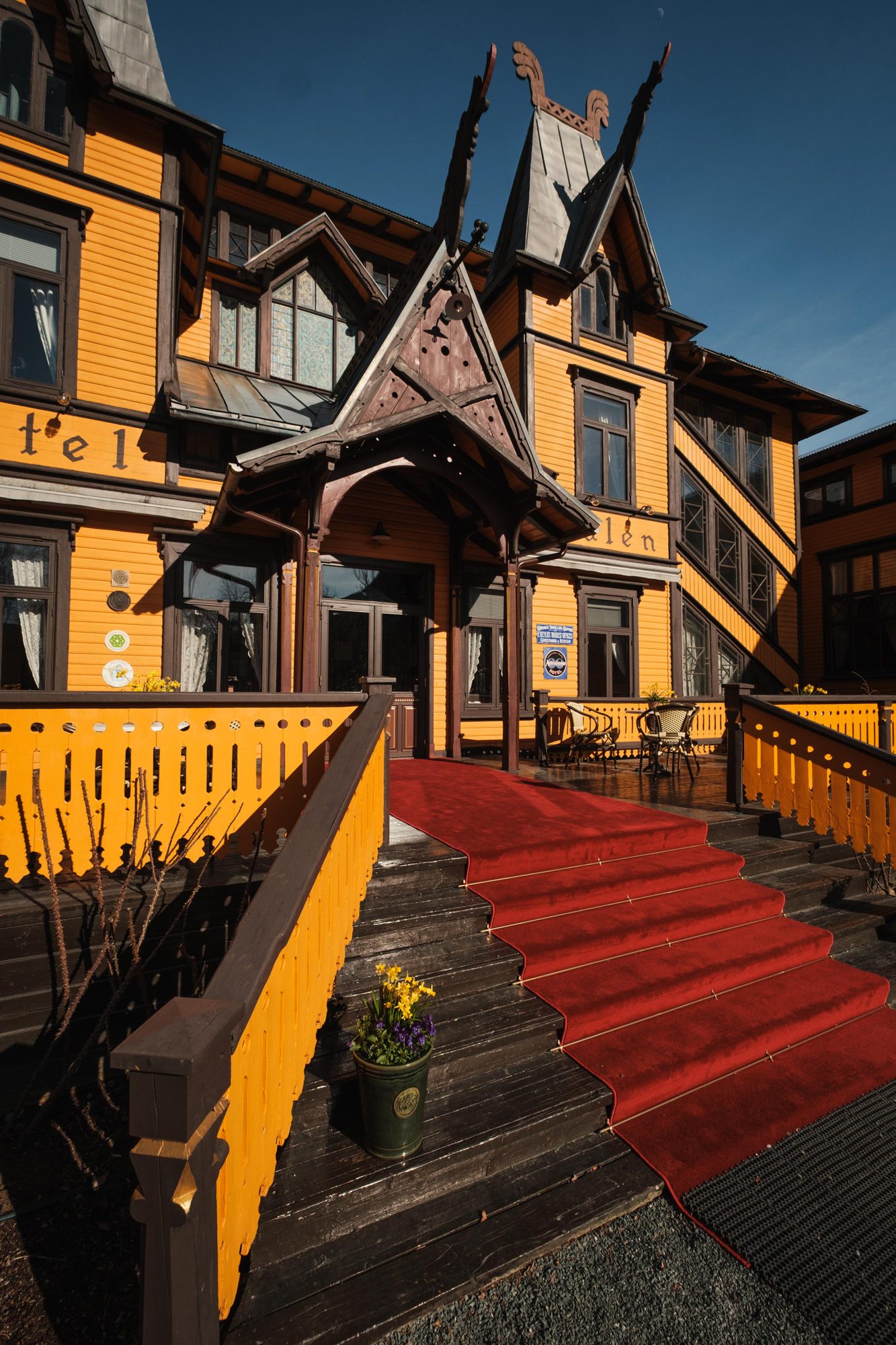
At the end of the waterway
In its early years, guests arrived by canal boat, up the locks of the Telemark Canal, completed in 1892 and soon nicknamed the eighth wonder of the world. After a day on the water, the boats rounded the last bend of Lake Bandak and Dalen came into view.
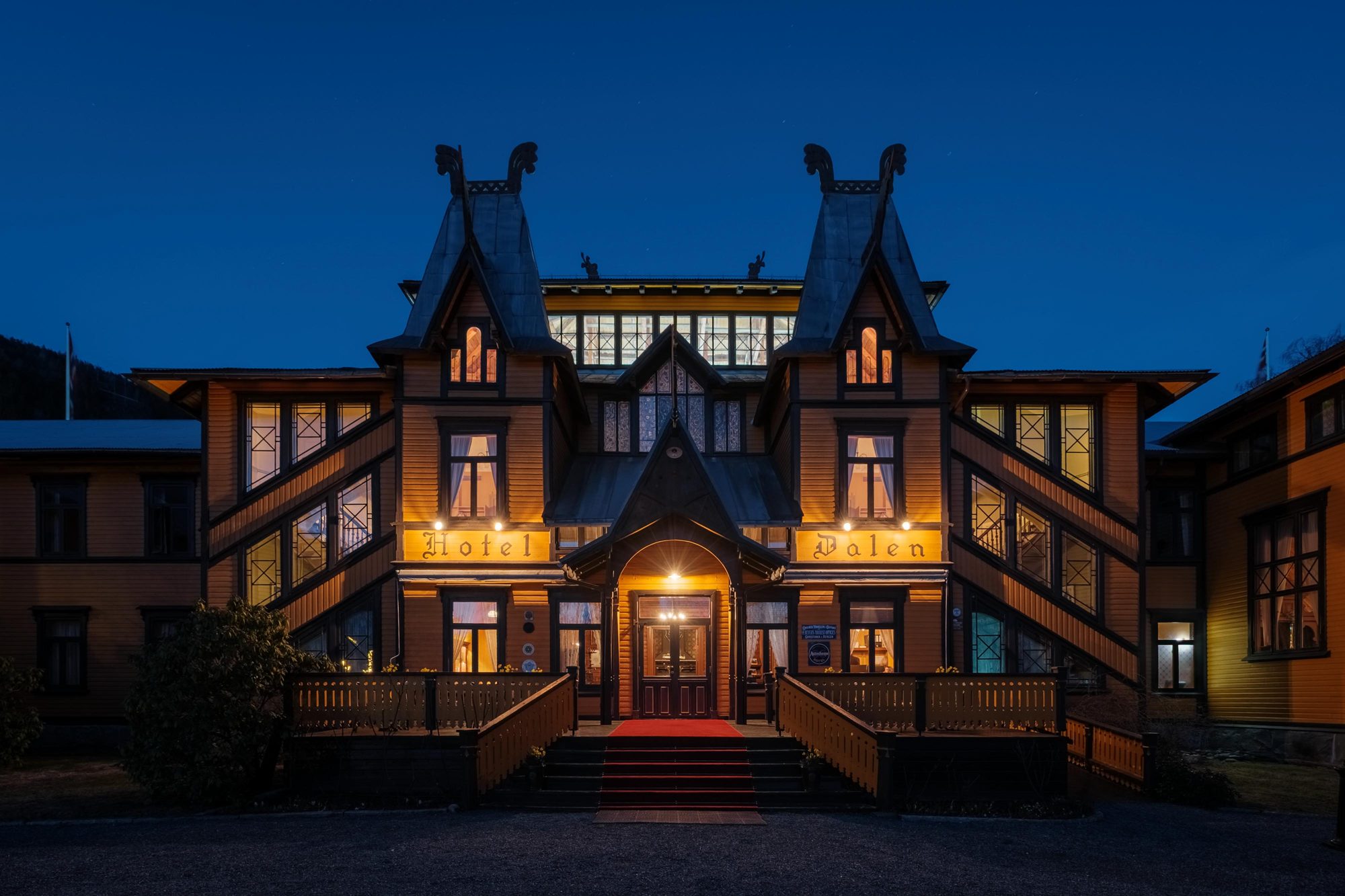
The arrival is still theatrical. A red carpet runs up the wooden stairs, between balustrades painted the colour of egg yolk, to a carved doorway under the dragon-headed gables.
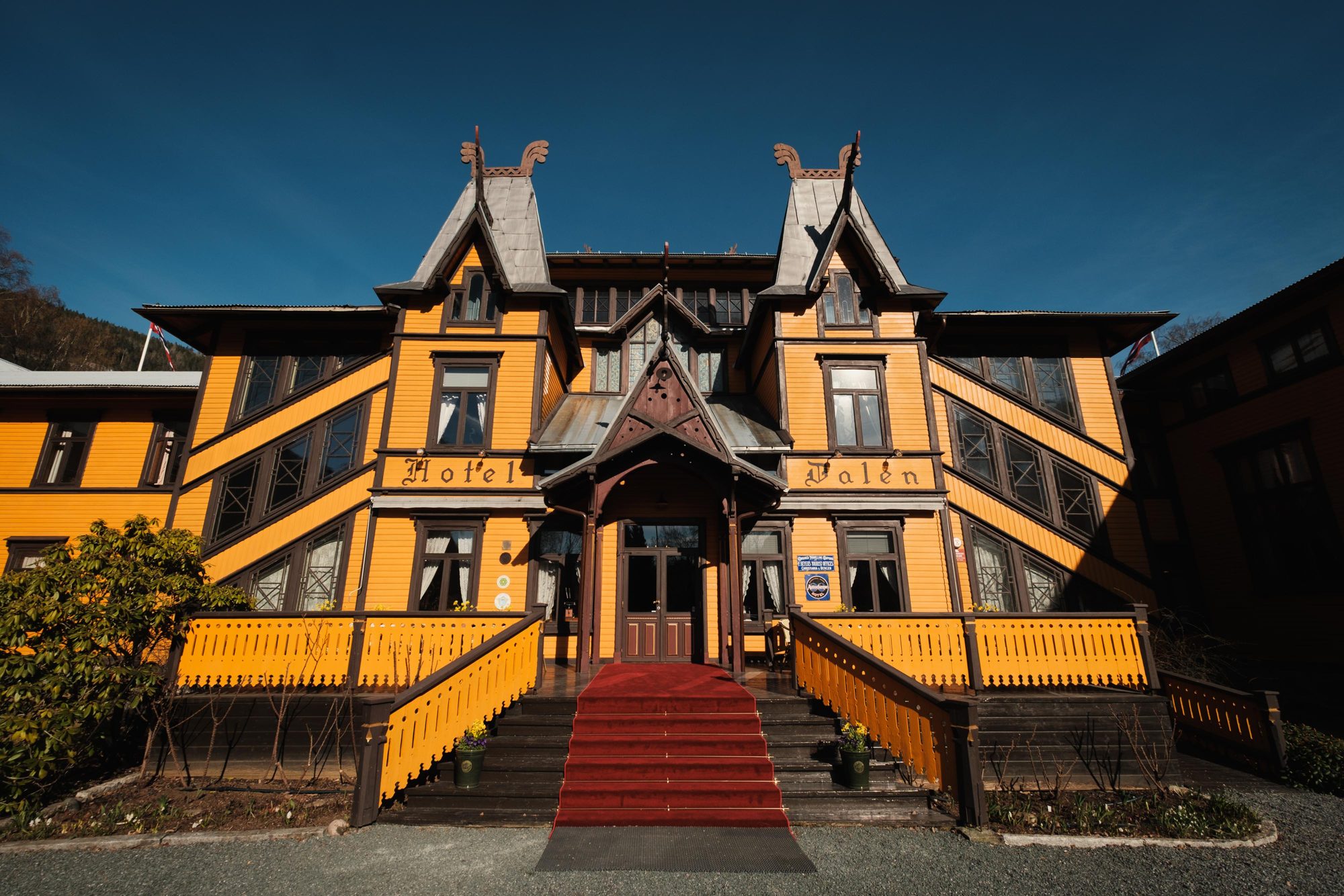
A house of towers and dragons
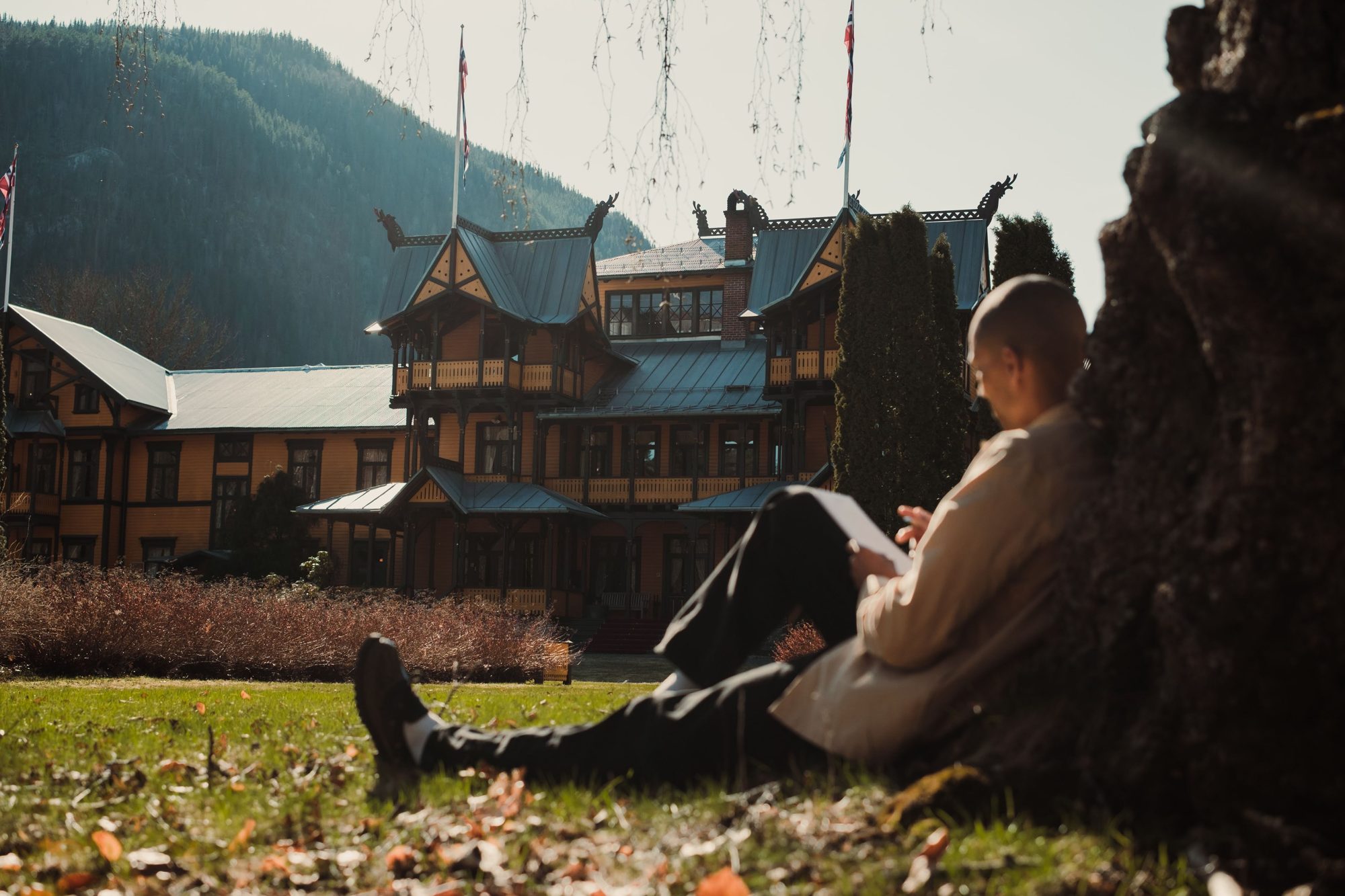
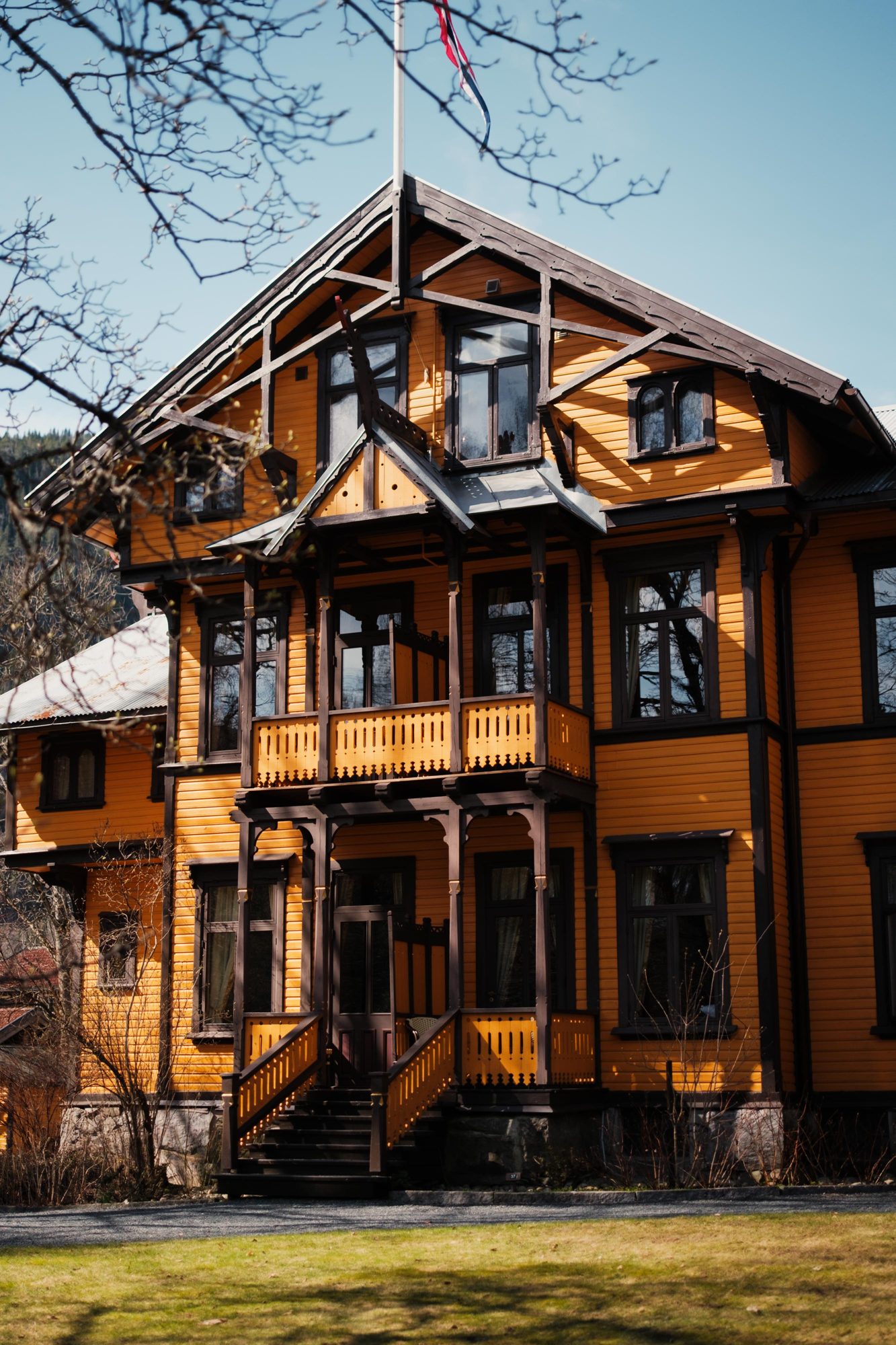
The hotel was designed by the architect Haldor Larsen Børve, who blended the Swiss chalet style then fashionable across Europe with Norway's own national romanticism. The result is dragestil: steep roofs, carved timber, and dragon heads borrowed from the prows of Viking ships and the gables of medieval stave churches.
It was also remarkably modern for its day, with electricity and running water when both were rare luxuries. Visitors called it a Soria Moria, after the shining castle of Norwegian fairy tales.
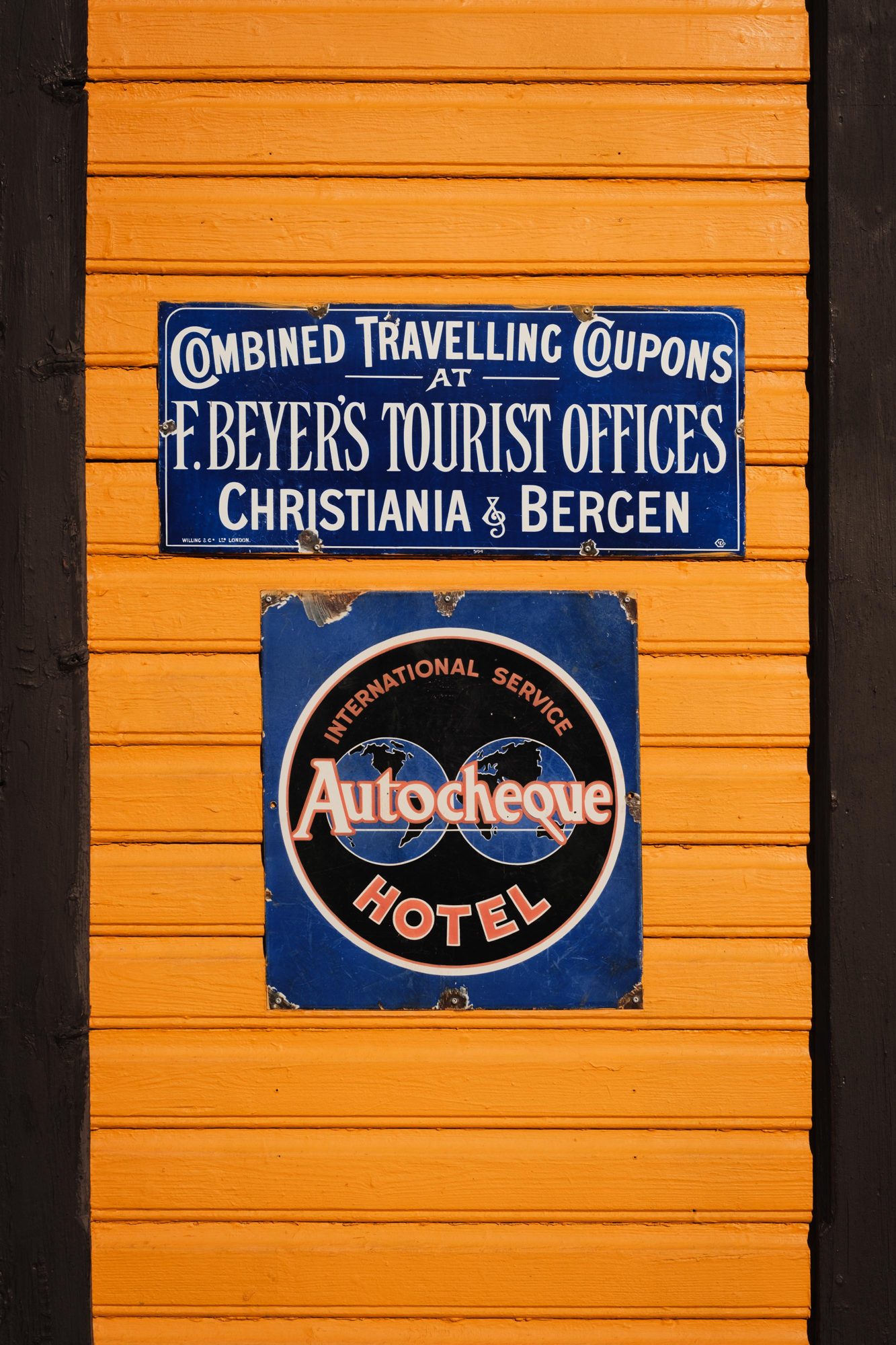
A guest book of royalty
Word spread quickly. Dalen became a stop for Europe's grandest travellers: King Oscar II of Norway and Sweden, Kaiser Wilhelm II of Germany, King Leopold II of Belgium, and Norway's own King Haakon VII and his family, along with British aristocrats who came for the scenery and the novelty of the canal.
The good years did not last forever. Railways and new roads drew travellers away from the canal, and during the Second World War the occupying forces stripped the hotel's interior. For decades it slipped into quiet decline.
"A Soria Moria at the end of the waterway."As the hotel tells its own story
Brought back, piece by piece
A long restoration began in the late 1980s, and the hotel reopened in 1992 following extensive restoration. In 2000 the work was recognised with the Europa Nostra Award for outstanding conservation, one of Europe's highest heritage honours, and Historic Hotels of Europe has since celebrated Dalen with its "A Story to Share" award in 2022.
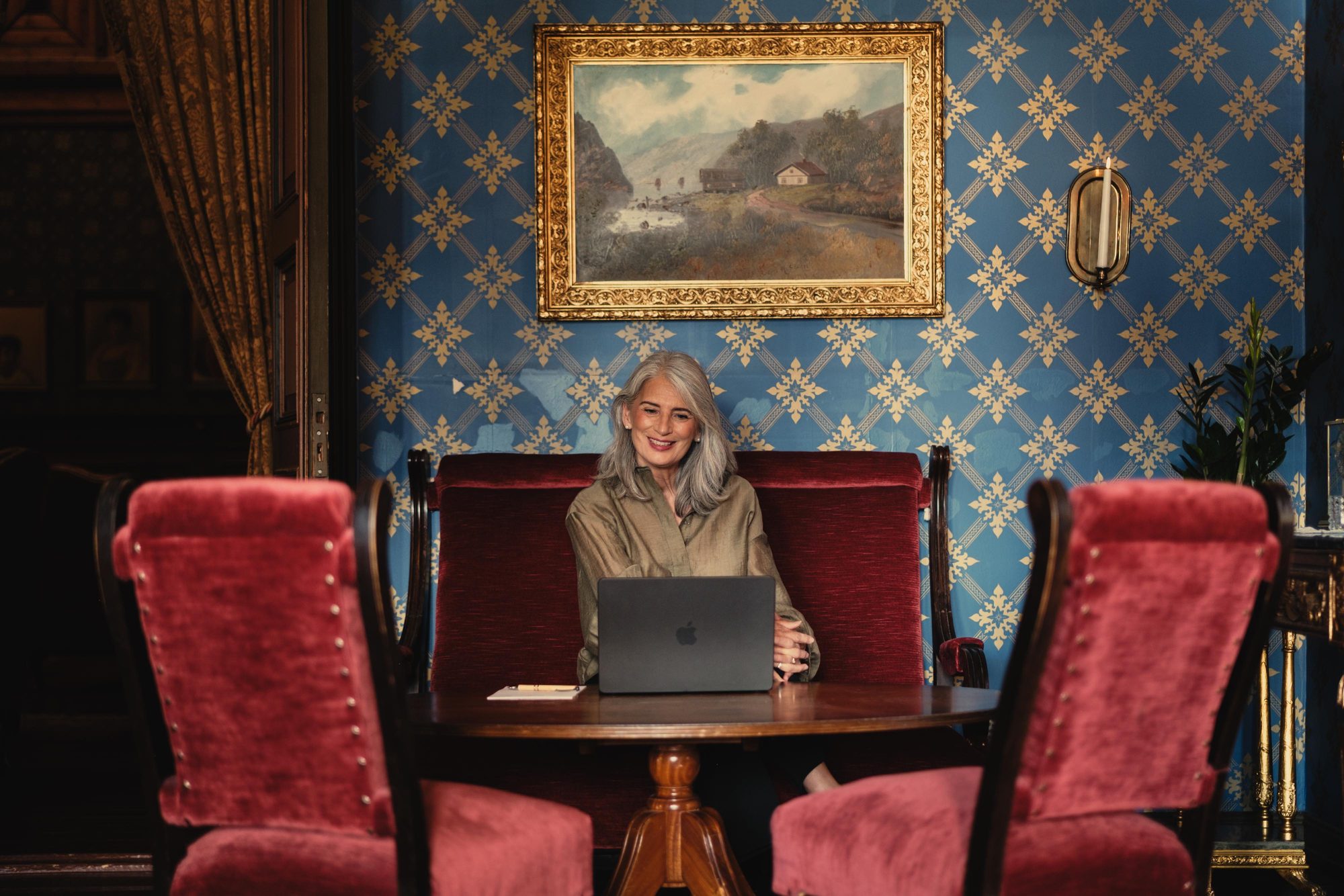
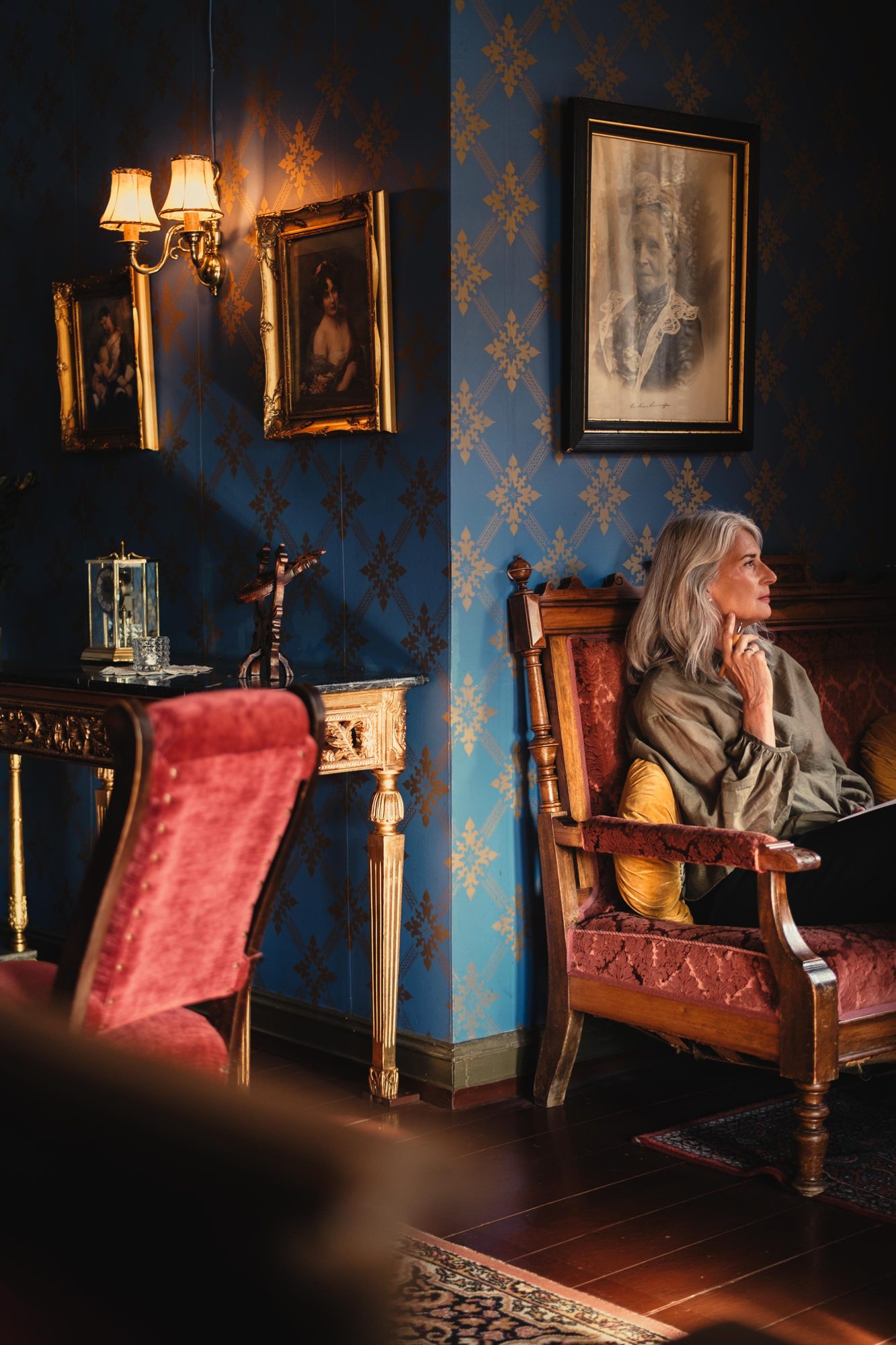
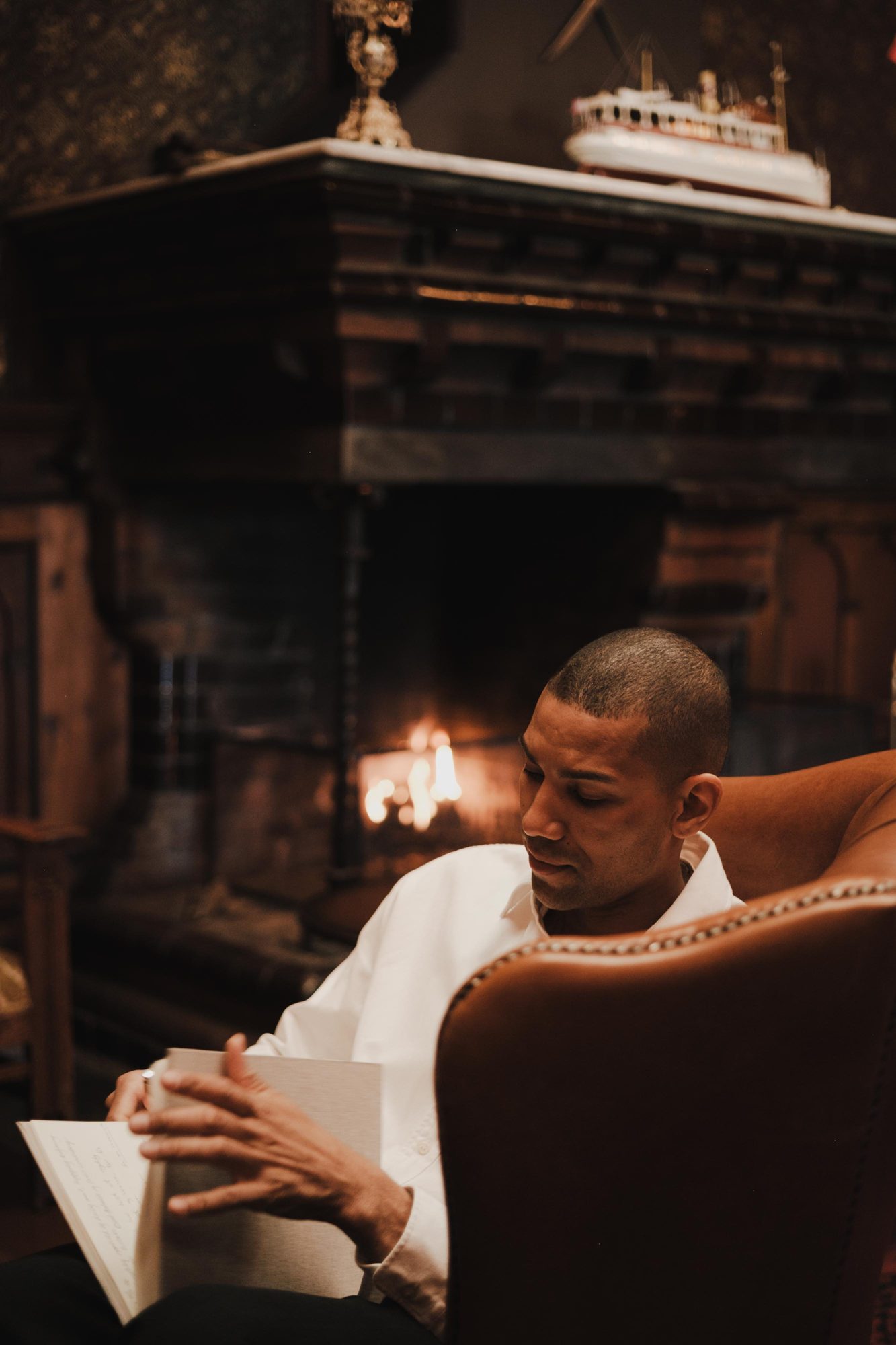
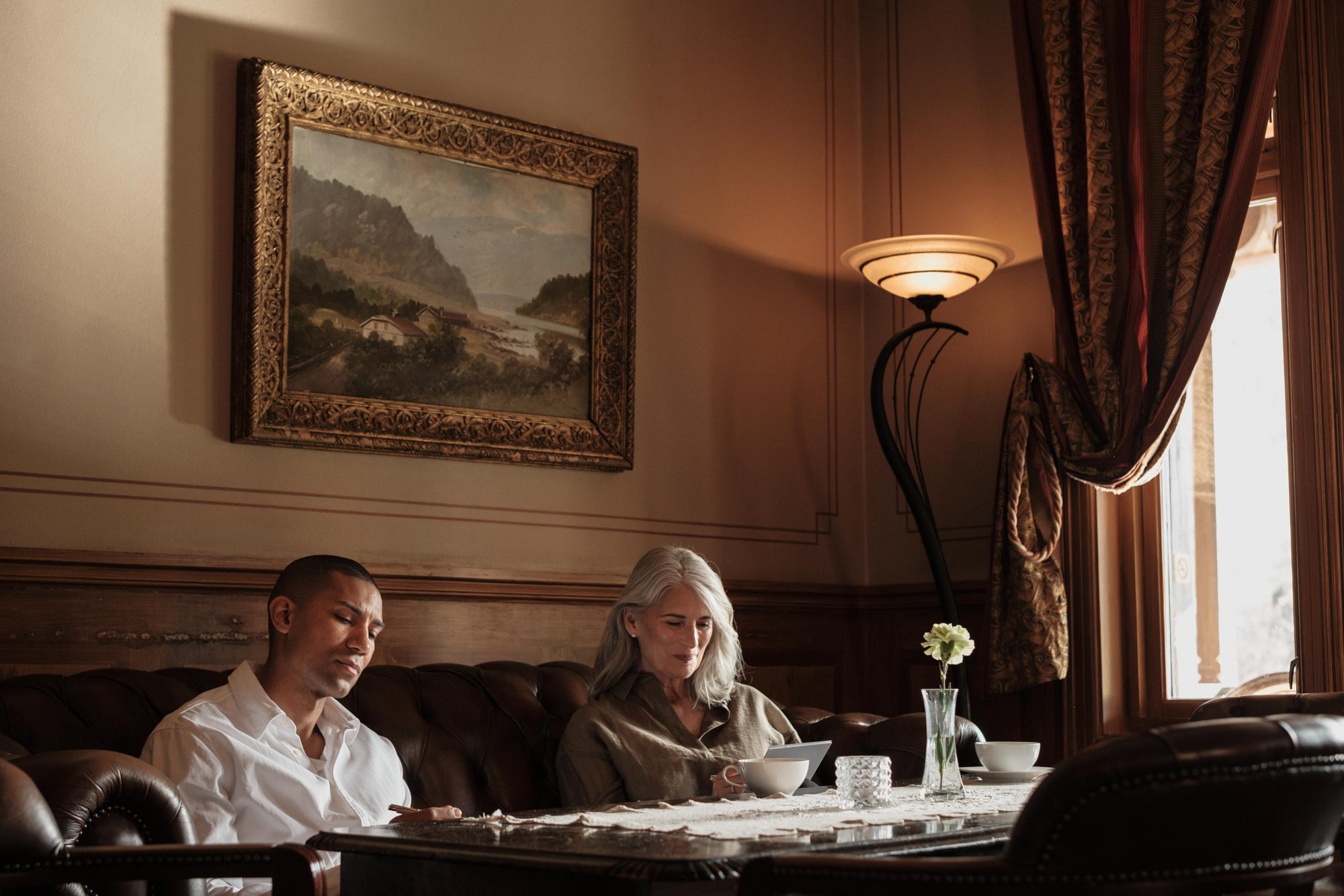
Inside, the salons are dressed as a 19th-century traveller would have known them: patterned blue wallpaper, gilded frames, red velvet chairs and carved wood that has absorbed more than a century of conversation.
Telemark, by the season
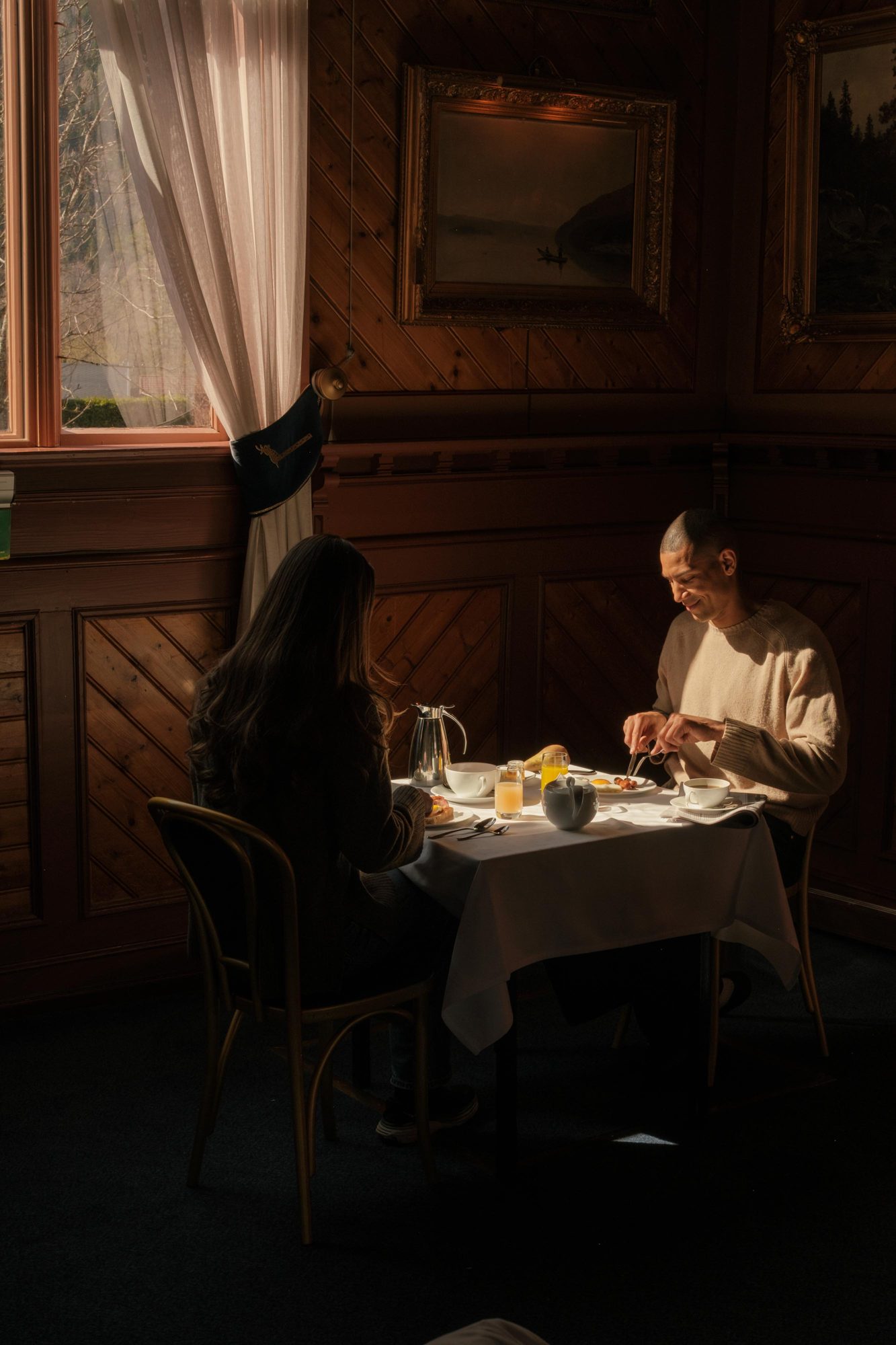
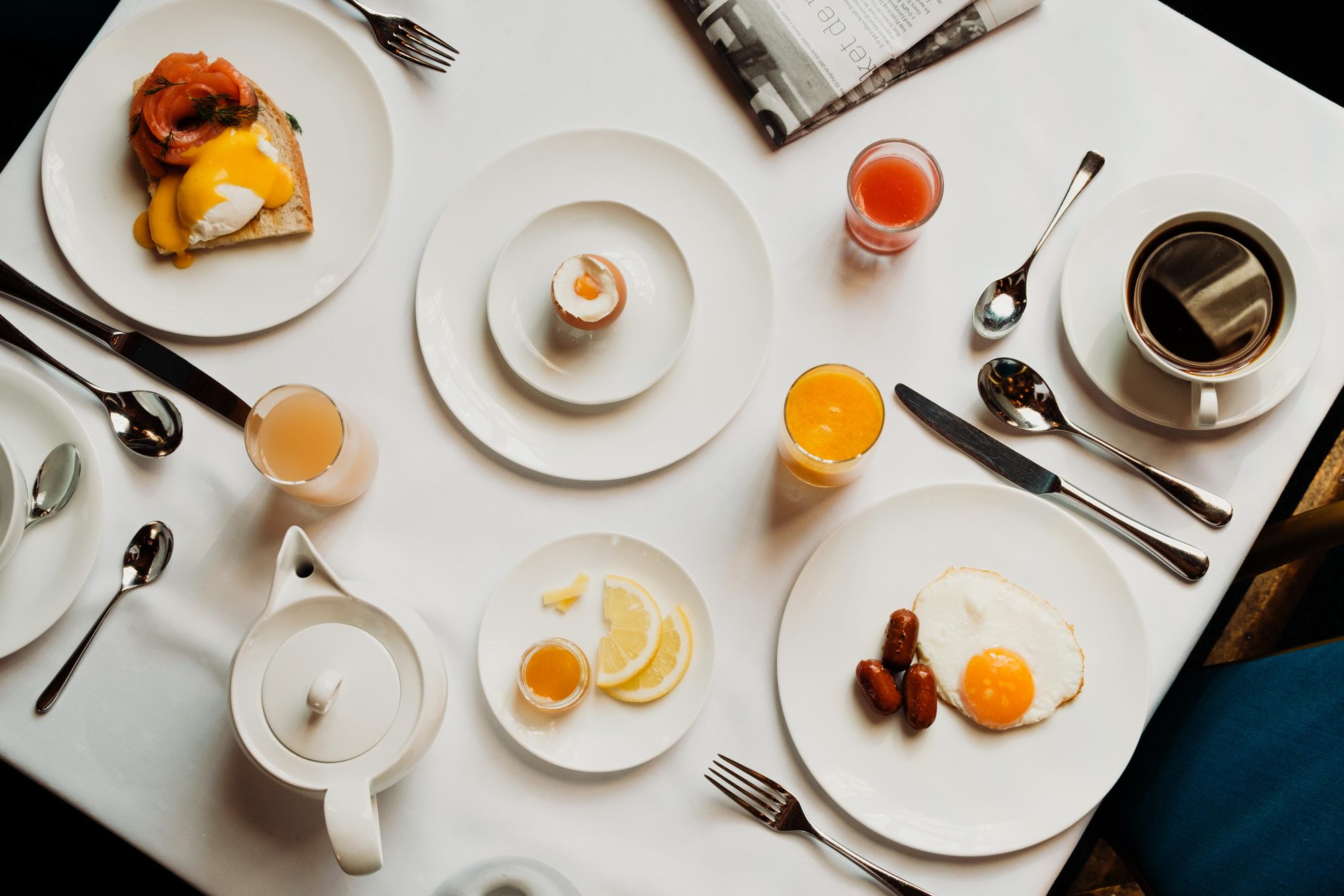
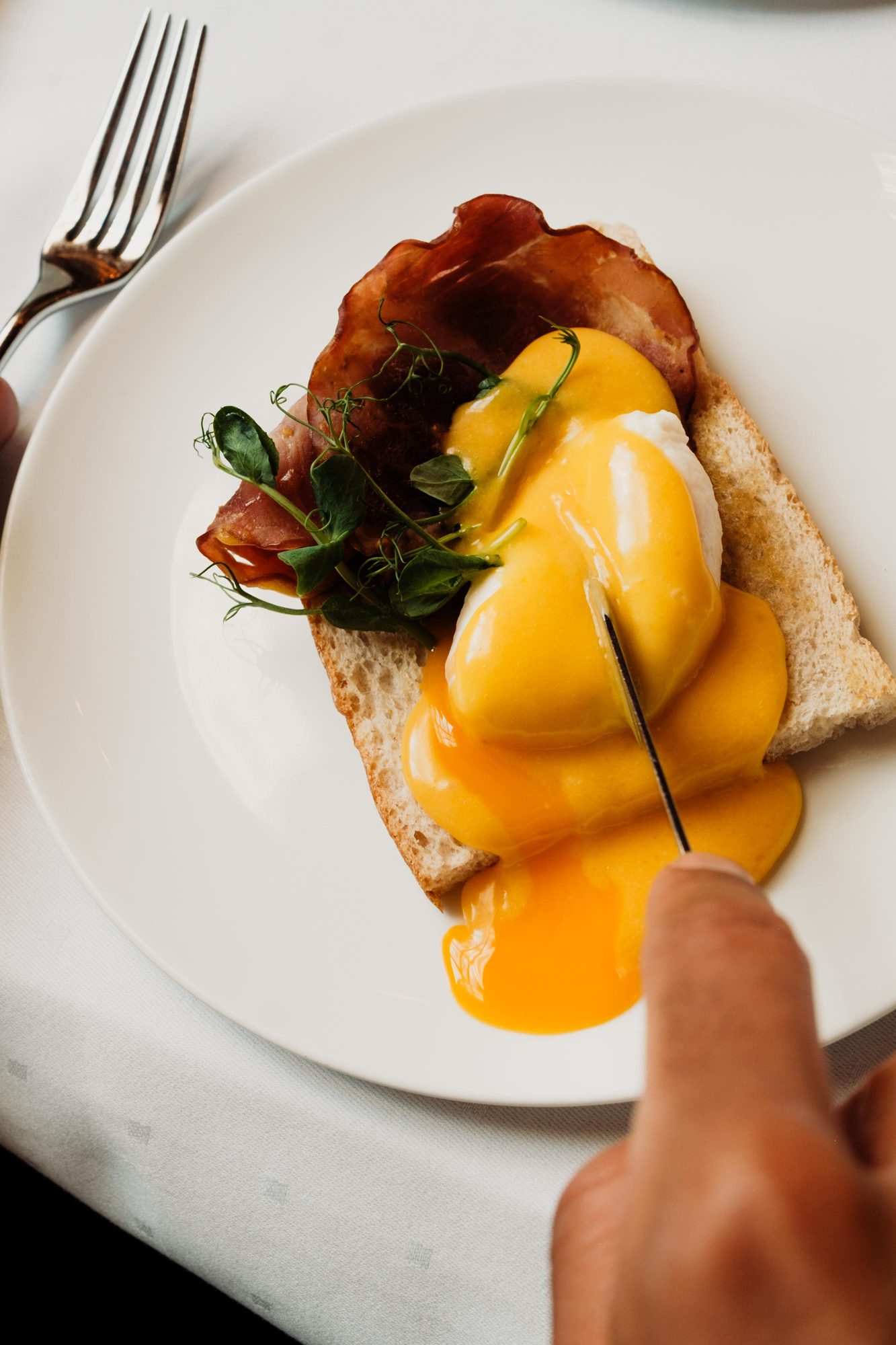
Restaurant Bandak, named after the lake outside, serves seasonal menus built on the produce of Telemark. Mornings begin in the old dining room, where low sun falls across white linen and breakfast lingers well past the point of necessity.
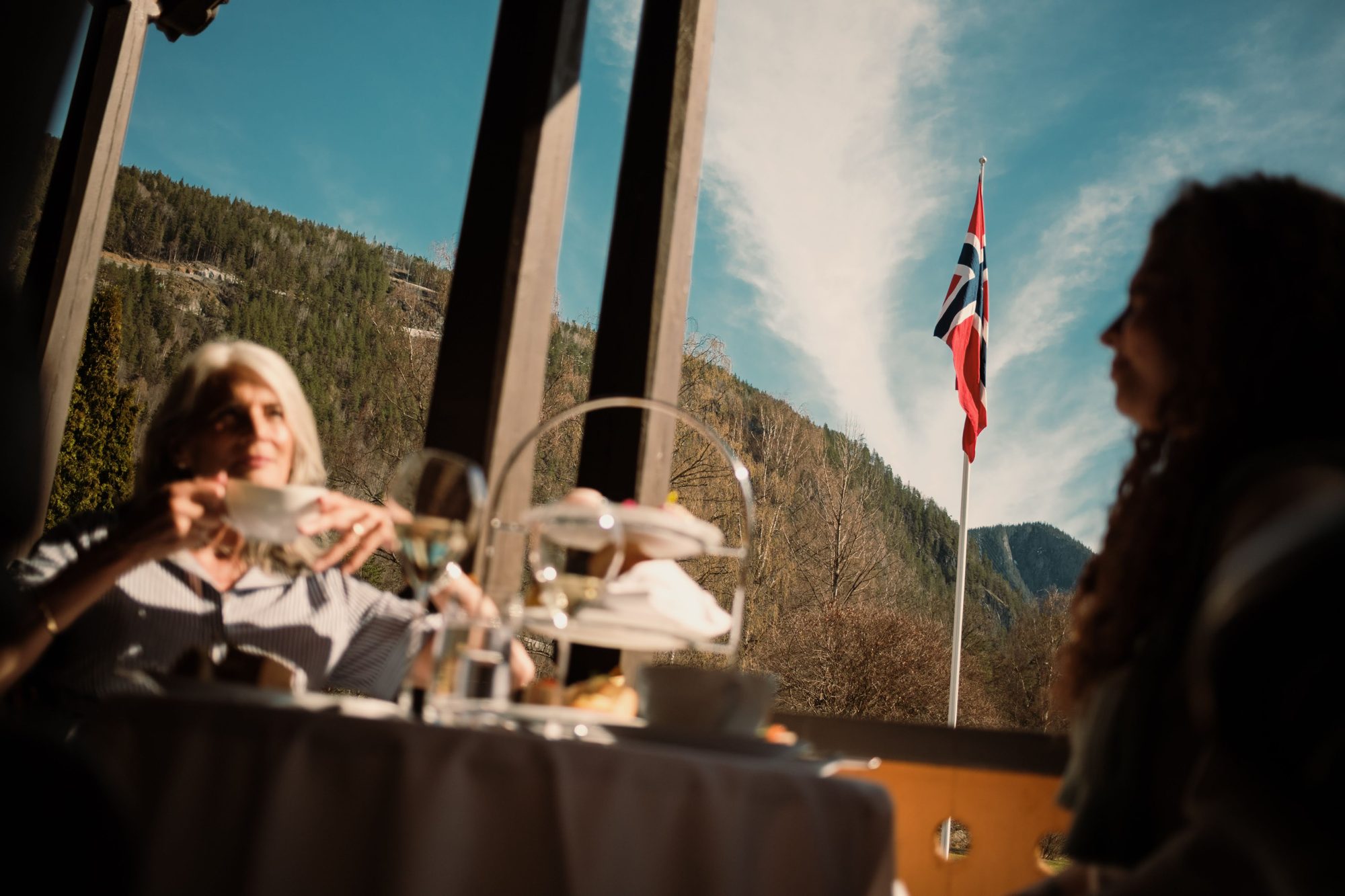
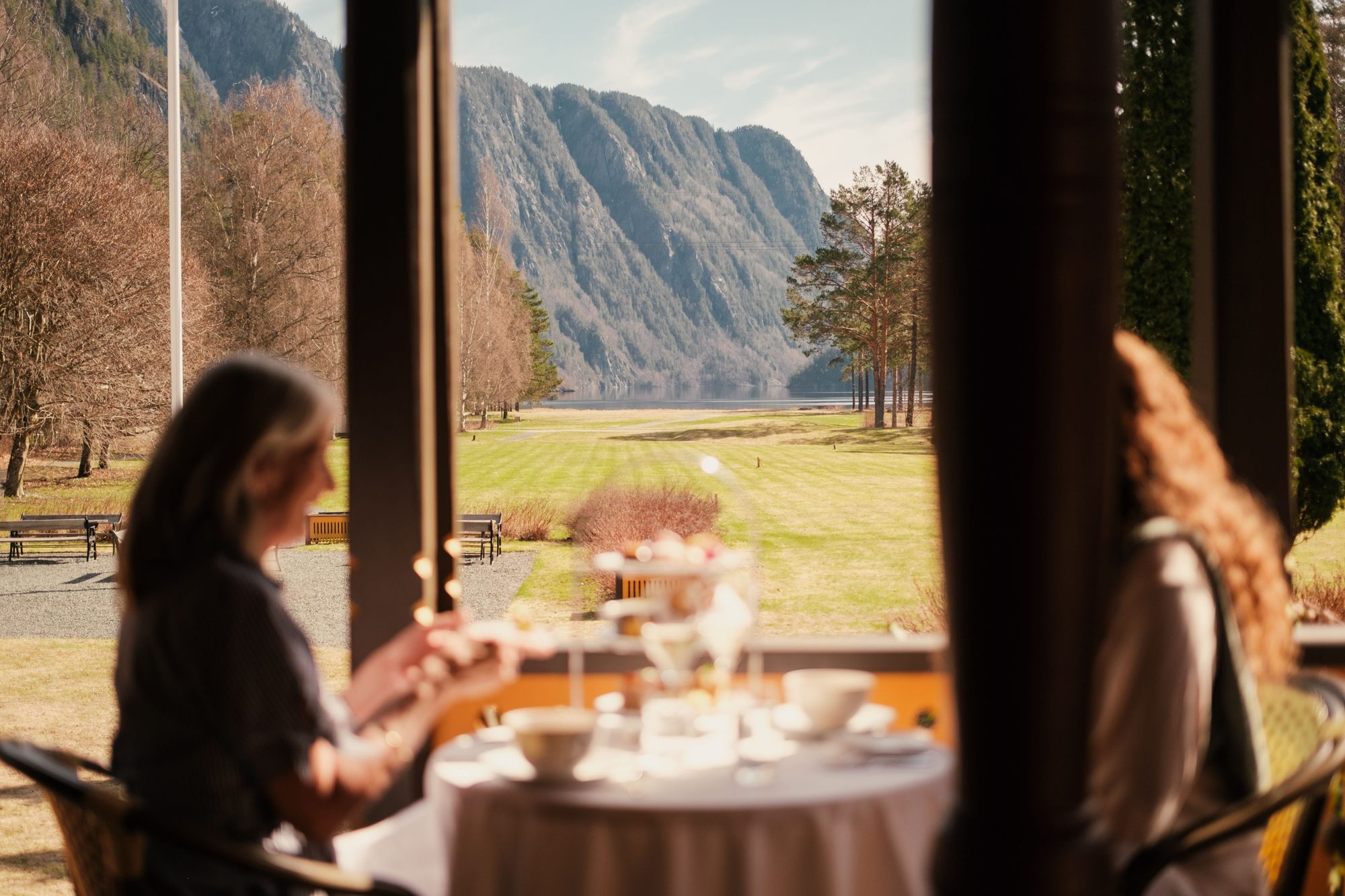
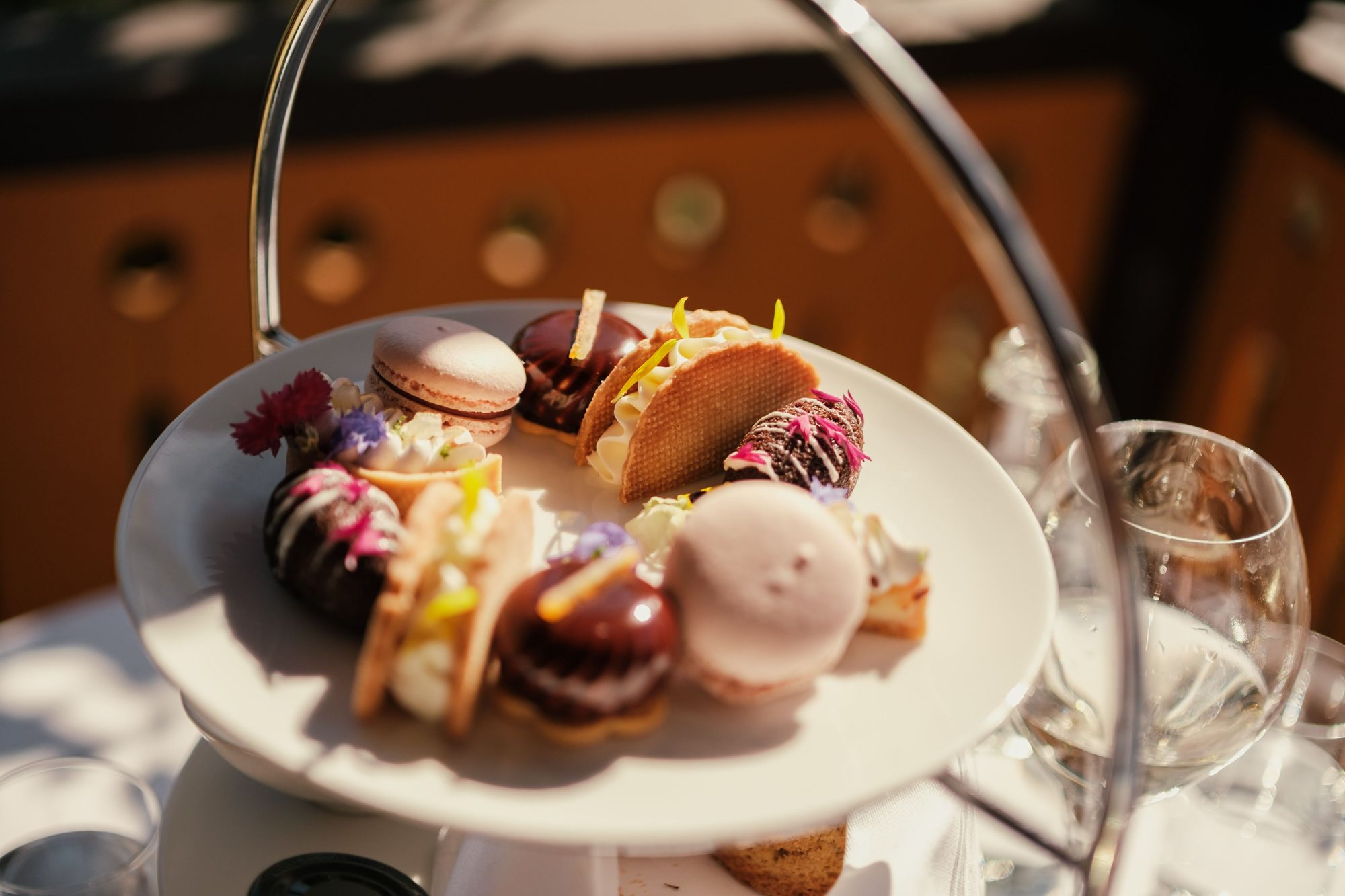
In the afternoon, the veranda takes over. Tea arrives on silver tiers of pastries and macarons, the Norwegian flag lifts in the breeze, and the mountains of the Dalen valley close in on either side, as they have for every guest since 1894.
The lawn, the lake, the canal
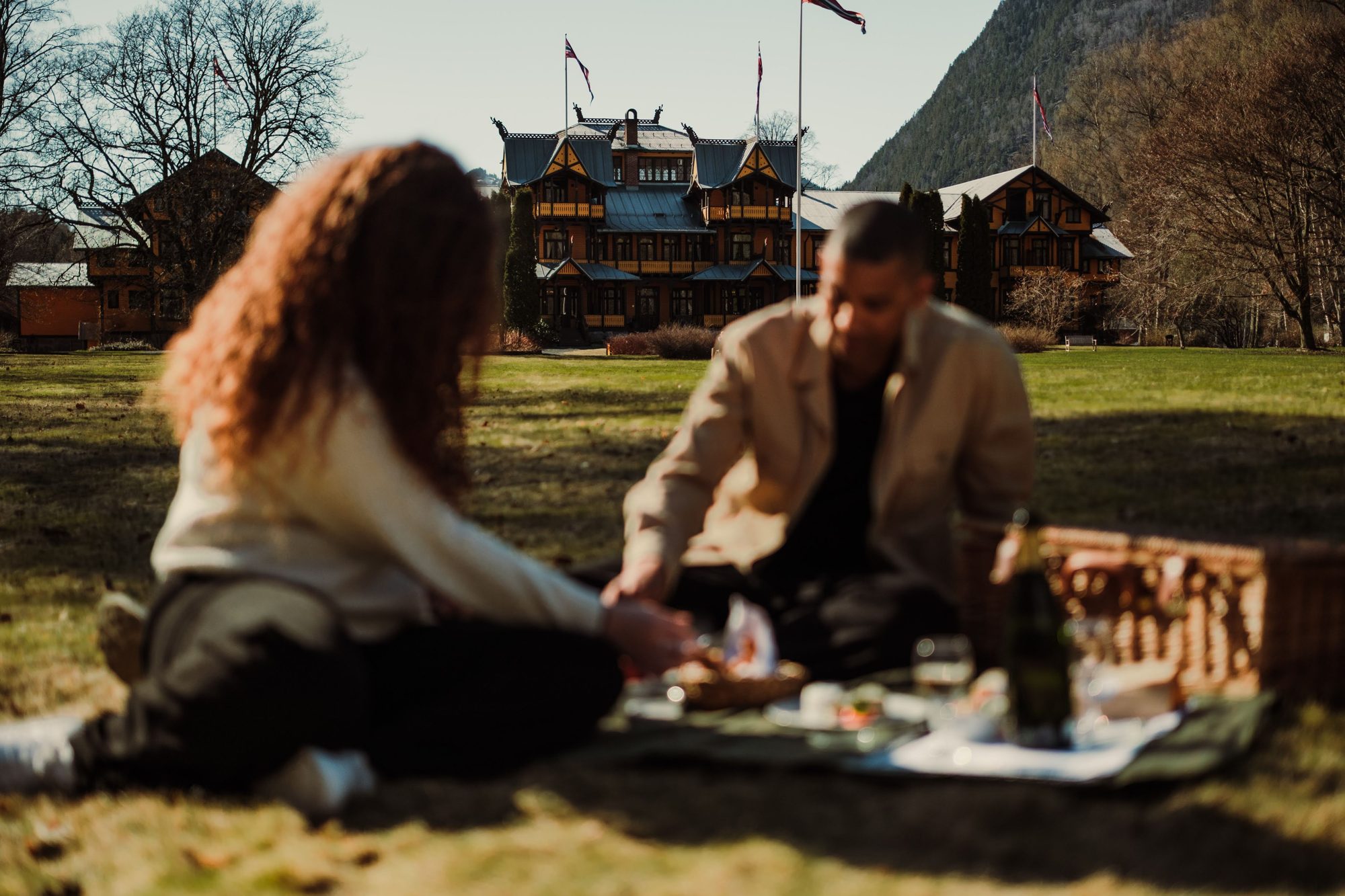
On fine days the garden in front of the hotel becomes the best room in the house: a picnic of strawberries and cheese, a bottle of something cold, or a book under the trees with the towers behind you.
And the canal is still there. During the sailing season, historic boats, including the M/S Henrik Ibsen, still sail the Telemark Canal to Dalen, so the most memorable way to arrive is the same as it was in 1894.